Natural home design is often mistaken for a style that requires filling every corner with plants and reclaimed wood. In reality, it is an exercise in restraint. The most compelling natural interiors feel like a deep exhale—calm, uncluttered, and quietly connected to the outdoors. They rely on a few carefully chosen elements that work together to create a sense of sanctuary, not a jungle. It is about creating a backdrop for life, not a showroom.
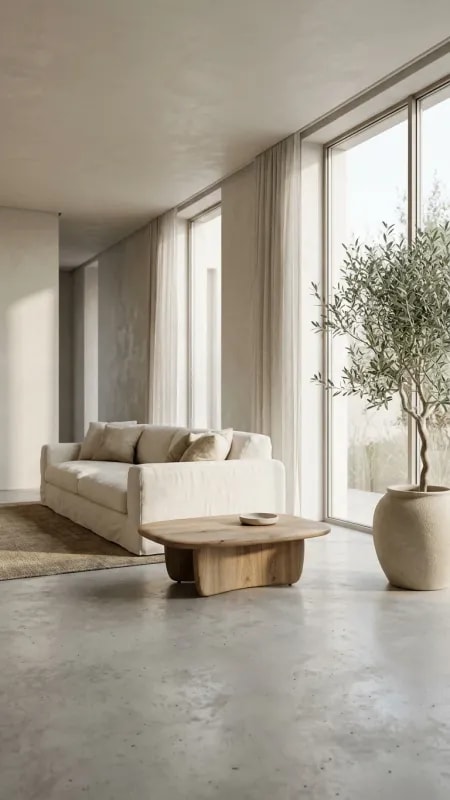
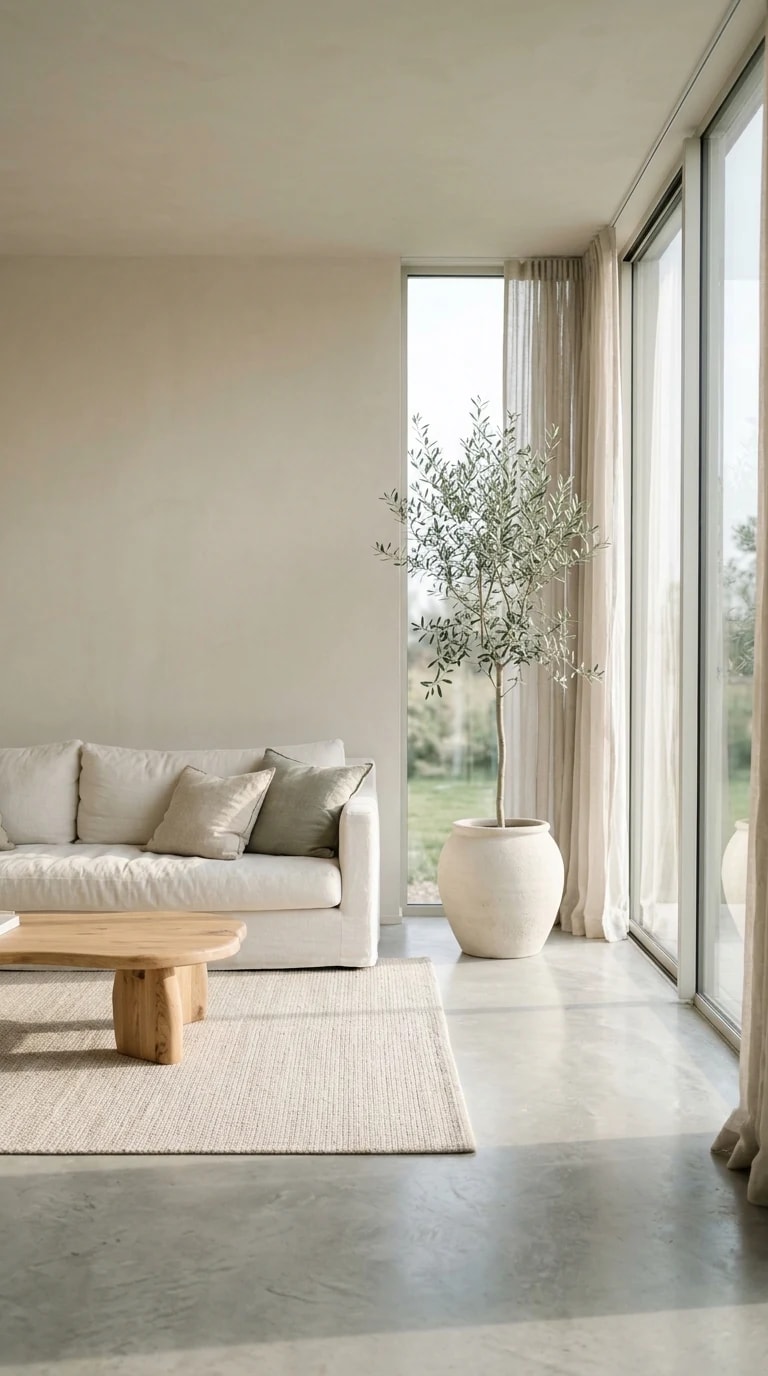
Begin with a soft, neutral foundation that lets natural light do the heavy lifting. Think warm off-whites, beiges, and pale greys on walls and upholstery, paired with a grounded floor such as polished concrete or wide-plank oak. Keep furniture low-profile and leggy to preserve sightlines and allow air to move freely through the room. A low white sofa with a few sage green cushions, for example, offers comfort without bulk, while the green accents echo the foliage outside. This approach also makes the room feel larger and more open.
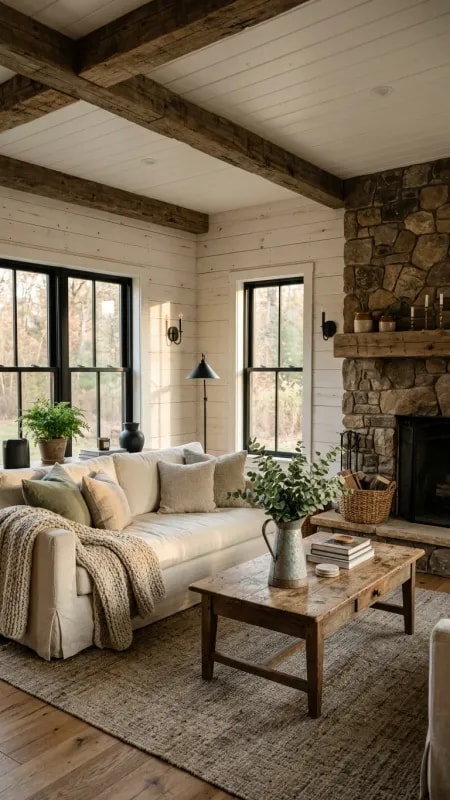
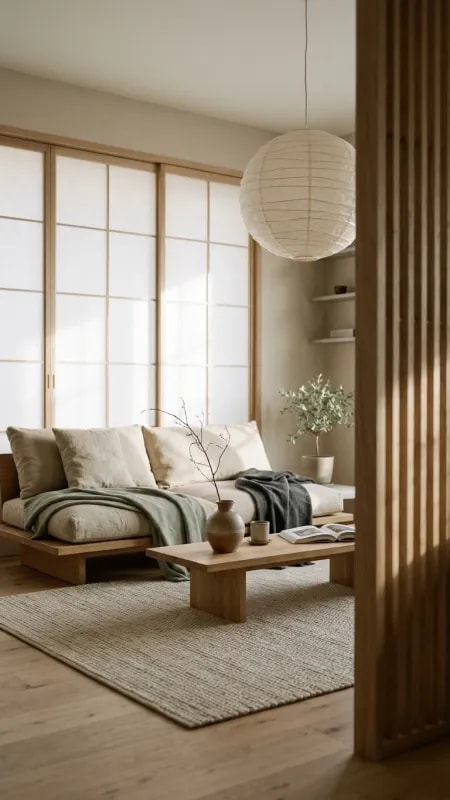
Next, layer in raw, tactile materials that invite touch. A chunky coffee table hewn from a single slab of wood, a woven jute or wool rug, and a rounded ceramic planter each add warmth and texture without visual noise. The key is to choose pieces with visible grain, weave, or handmade irregularities—imperfections that remind you of the natural world. Limit yourself to three or four distinct textures per room so the space remains serene rather than busy. Avoid glossy finishes and synthetic materials that compete for attention.
Bring the outdoors in with one sculptural plant rather than many small ones. A potted olive tree, with its silvery leaves and graceful branches, can act as a living piece of art that softens hard edges and draws the eye upward. Place it near a window dressed with sheer linen curtains that filter daylight into a soft, diffused glow. Floor-to-ceiling windows are ideal, but any bright spot will work if you keep the surrounding area clear.
Ultimately, natural home design is about editing, not adding. Embrace negative space, let materials speak for themselves, and choose every object for its texture, function, and connection to nature. The result is a home that feels airy, grounded, and profoundly restful—a place where you can truly breathe. Start with one room, one corner, and let the calm spread.